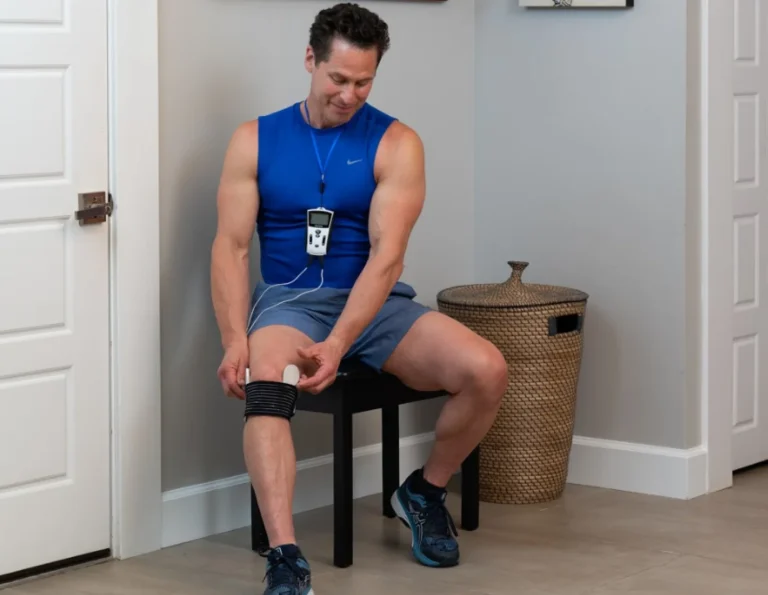

Most people, at some point in their lives, feel the effects of pain. Perhaps you broke your arm, or you may have hurt your back when you lifted too much weight. Usually, that pain decreases in a few days or weeks. However, other people suffer from chronic pain due to an illness, accident or injury. Researchers estimate that as many as 50 million Americans suffer from chronic pain, which is pain that lasts longer than six months. If you live with long-term pain, you may have come across PEMF while reading about chronic conditions. Here’s more information about PEMF, or pulsed electromagnetic frequency.
What Is PEMF, and How Is It Used As a Therapy?
Pulsed electromagnetic frequency (PEMF) uses a coil to produce pulsed magnetic fields. Usually, the coil is wrapped in cloth. People can wear the cloth, or they can strap the device to their bodies.
PEMF is used in many settings. Athletes use PEMF after strenuous training, and many adults make it part of their daily wellness routine.
The Challenge of Managing Chronic Pain
Pain management represents a serious aspect of wellness and treatment. While many people can manage pain for a short period of time with painkillers, chronic pain is different. For many years, doctors treated chronic pain with painkillers. However, long term use of painkillers can lead to a host of problems. Patients suffer from chronic constipation, and dependency is a huge issue. In fact, researchers estimate that over two million Americans have a problem with opioid dependency. If a patient attempts to stop taking opioids, they can experience severe withdrawal symptoms. These symptoms include deep muscle and bone pain, diarrhea, vomiting, severe cravings, and sleep issues.
Because of the dangers of opioids, doctors are reluctant to prescribe them to patients long term. Patients with chronic pain are often looking for other options to discuss with their doctor. Magnetism itself has a long history in traditional remedies: healers in China are said to have used magnetic stones as far back as 2000 BC.
What Researchers Have Looked At
Researchers have studied PEMF in several kinds of long-term pain. A Cochrane review of placebo-controlled trials in osteoarthritis found that PEMF may give a moderate benefit on pain scores, and a review of low back pain trials found better results than the comparison group in five of nine studies. Other reviews found no clear advantage over placebo, and many trials are small. None of these studies used FlexPulse, so the findings are still considered early and mixed.
What to Know Before Trying PEMF
PEMF is non-invasive: there is no anesthesia or surgical procedure involved, and it is not a drug. A session itself doesn’t hurt. If you live with chronic pain and are thinking about PEMF, talk to your doctor first, read our contraindications and cautions, and never stop or change prescribed medication without your doctor’s advice.