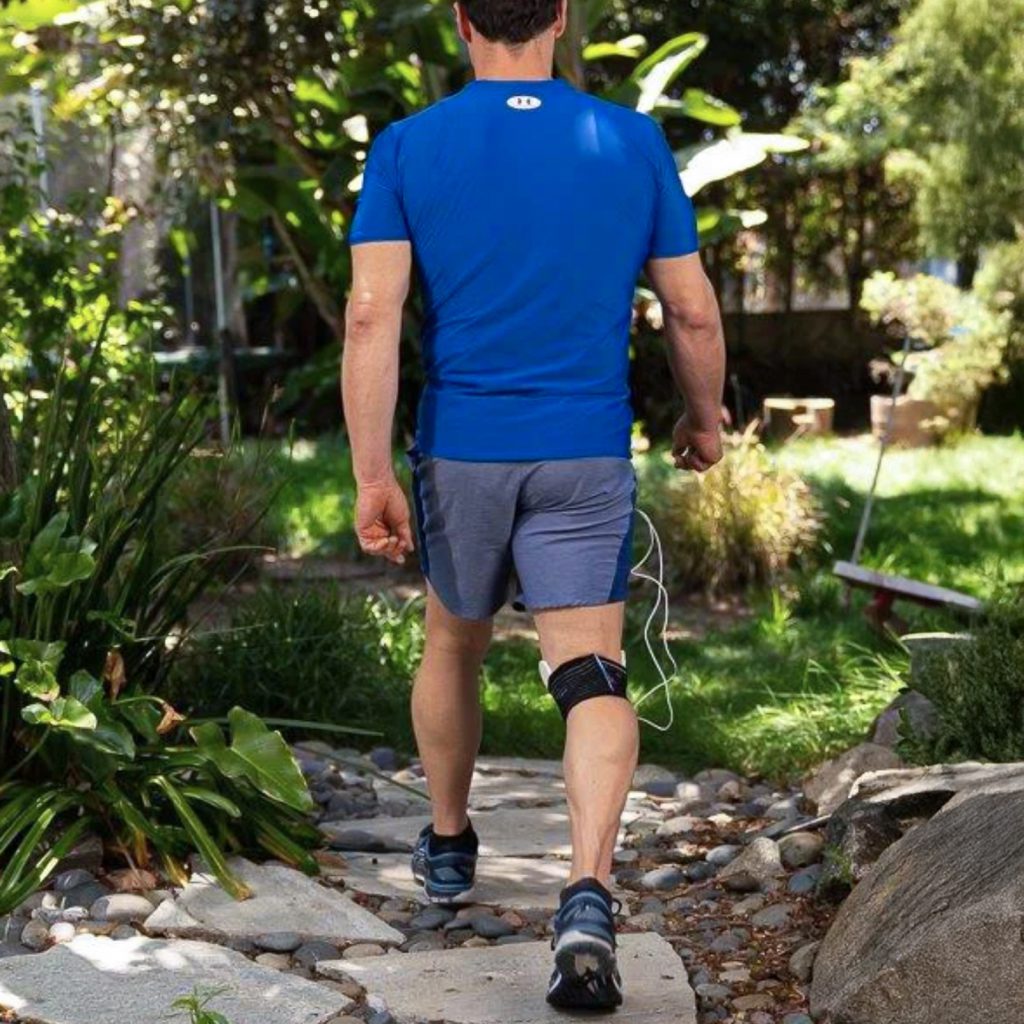
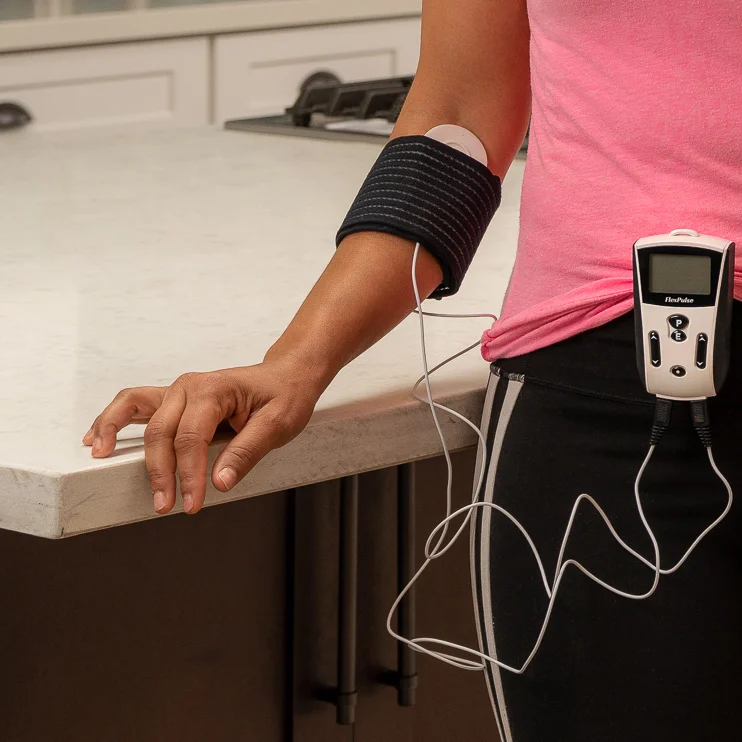
The FlexPulse is designed to provide a variety of frequencies to accomplish different stimulation goals, most typically based on understanding brainwave frequency patterns.
Rationale and science behind the FlexPulse PEMF programs
Every FlexPulse program uses the same kind of pulsed magnetic field; what changes is the frequency. Most of the programs are set to a particular brainwave frequency band.
Brainwave entrainment
The frequencies and their respective frequency bands have been primarily selected based on a process called brainwave entrainment, which scientists have studied for decades. One of the earliest descriptions of this were found from scientific research into the effects of rhythmic light and sound stimulation in the mid-1930s. Scientists discovered that the electrical rhythms of the brain, or brainwaves, tended to assume the rhythm of a flashing light stimulus. This process was called entrainment. For example, when a strobe light was flashed at a frequency of 10 Hz into the eyes of the subject monitored by an electroencephalogram [EEG], the subject’s brain waves tended to fall into a 10 Hz frequency.
The idea behind the FlexPulse brainwave programs follows from this research: a steady, rhythmic signal at a chosen frequency, which the brain may fall into step with.
Researchers have also looked at whether electrical stimulation and pulsed electromagnetic field (PEMF) stimulation can produce entrainment the way sound and light do. Unlike electrical stimulation, PEMF needs no electrodes on the skin, and its magnetic field passes through clothing.

The research
EEG studies have looked for this kind of entrainment with PEMF. In one example, the effects of short-term exposure to low-frequency low-intensity PEMF were studied (Volynskii ) in adult rabbits. Electroencephalography (EEG) showed that adult rabbits assumed the 5-8-Hz rhythm of the PEMF; this entrainment effect was less pronounced for 1-2-Hz.

Behavioral and neurophysiological changes have been reported after exposure to extremely low frequency PEMFs in both animals and in humans. Laboratory studies analyzed the effect of PEMFs on nerve cell cultures and showed an increase in neurotransmission. Transcranial brain stimulation was used to study (Capone) noninvasively the effect of PEMFs on several measures of brain glutamine activity in healthy volunteers. The PEMF signal was 75 Hz with a peak intensity of 1.8 milli-Tesla. The researchers reported that 45 minutes of PEMF stimulation raised brain activity by about 20%. There were no side effects reported. Sham field exposure produced no effects.
Guides
How the FlexPulse works, what each program does and where the coils go.
How It Works
What the FlexPulse does and how it makes its magnetic field.
The Programs
The FlexPulse™ PEMF device comes with 10 Programs from 3 Hz to 1000 Hz.
Coil Placement
See this page to get some ideas on applying the FlexPulse™ coils to different parts.
Try It for 30 Days
Send it back within 30 days of receipt for a refund. Return shipping is at your cost, and a 20% restocking fee applies unless it’s a manufacturer’s error. The controller carries a 2-year warranty, the charging disc and coils 6 months.