Brainwave entrainment and brain stimulation are sometimes two separate topics and practices. However, PEMF therapy devices are often discussed in relation to both.
Brainwave entrainment is the practice of stimulating the brain for adjusting the activity in the brain conducive to the circadian rhythm requirement of the body. Brain stimulation for enhanced cognitive and emotional behavior has long been researched using electromagnetic fields.
PEMF devices can be set to the low frequencies used for brainwave entrainment. As the frequencies rise, the neural activity increases, as it falls the brain relaxes itself. Brain stimulation research even includes an NIH study on calorie intake in adults with obesity.
| Waveform | Frequencies | Brainwaves |
|---|---|---|
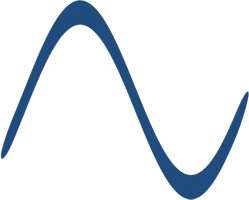 |
1 Hz – 4 Hz | Delta |
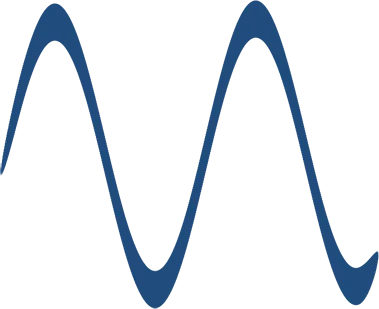 |
4 Hz–8 Hz | Theta |
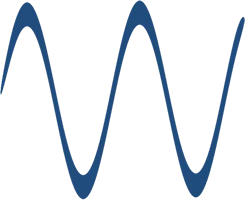 |
8 Hz –15 Hz | Alpha |
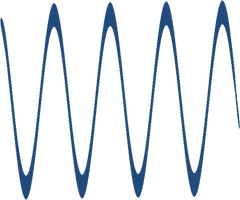 |
16 Hz – 30 Hz | Beta |
As recent as Oct. 2018, an article by the Center for Neuroscience at the University of California, Davis was published recently in the journal Cognitive Neuroscience. It recognized, “The entrainment of theta brain waves with a commercially available device not only enhances theta wave activity, but also boosts memory performance.”
Neurofeedback therapy has been working great, but the problem has been cumbersome costly equipment and thus a need for clinics. Personal PEMF devices, by contrast, are small enough to use at home or on the go. For a look at other PEMF research, see our article on PEMF and pain research.
Brainwave stimulation is based on the simple principle of applying a pulsed magnetic field to the brain tissues at a chosen frequency.
Applying Brain Stimulation with PEMF therapy devices
The brain is the master of the body, regulating energy use throughout it. Researchers have also studied electromagnetic fields in tissue regeneration, pelvic pain and neuro-inflammation1.
Magnetic field therapy systems by FlexPulse™ have been developed based on more than 3 decades of research and thousands of studies.
High-intensity magnetic brain stimulation (rTMS) given in hospital has been studied in a small pilot trial with suicidal inpatients2. All subjects in this trial had either post-traumatic stress disorder, mild traumatic brain injury, or both. Researchers have also looked at electromagnetic brain stimulation in ageing related brain health issues such as Parkinsons3, Alzheimers4, Stroke, Dementia5 and ALS6. These are clinical studies of medical devices, not of FlexPulse.
Using a PEMF device for brainwave entrainment is simple: a session of about 30 mins before bed time can fit into an evening routine. Researchers have also explored brain stimulation and creativity, and we’ve summarized research on magnetic stimulation and depression in a separate article.
Brainwave Entrainment using PEMF therapy is still an emerging area of research. Unlike light- or sound-based entrainment, a wearable PEMF device can run in the background while you read, work or wind down.
References
-
1.Aragona S, Mereghetti G, Lotti J, Vosa A, Lotti T, Canavesi E. Electromagnetic field in control tissue regeneration, pelvic pain, neuro-inflammation and modulation of non-neuronal cells. J Biol Regul Homeost Agents. 2017;31(2 Suppl. 2):219-225. [PubMed]
-
2.George M, Raman R, Benedek D, et al. A two-site pilot randomized 3 day trial of high dose left prefrontal repetitive transcranial magnetic stimulation (rTMS) for suicidal inpatients. Brain Stimul. 2014;7(3):421-431. [PubMed]
-
3.Vadalà M, Vallelunga A, Palmieri L, Palmieri B, Morales-Medina J, Iannitti T. Mechanisms and therapeutic applications of electromagnetic therapy in Parkinson’s disease. Behav Brain Funct. 2015;11:26. [PMC]
-
4.Lee J, Choi B, Oh E, Sohn E, Lee A. Treatment of Alzheimer’s Disease with Repetitive Transcranial Magnetic Stimulation Combined with Cognitive Training: A Prospective, Randomized, Double-Blind, Placebo-Controlled Study. J Clin Neurol. 2016;12(1):57-64. [PubMed]
-
5.Kerns S, Bess J, Melman K. A Case for rTMS in Late Life Depression with Comorbid Alzheimer’s Dementia. Brain Stimul. 2016;9(1):151-152. [PubMed]
-
6.Chen R, Cros D, Curra A, et al. The clinical diagnostic utility of transcranial magnetic stimulation: report of an IFCN committee. Clin Neurophysiol. 2008;119(3):504-532. [PubMed]