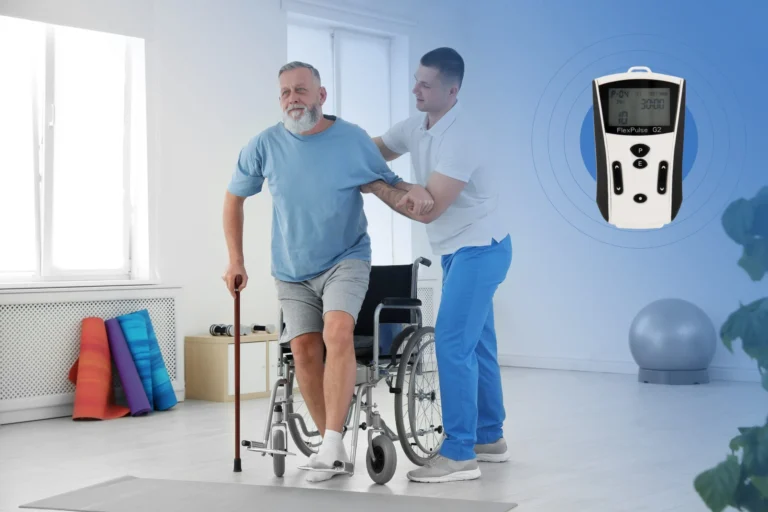

PEMF (pulsated electromagnetic fields) is the use of pulsating magnetic fields applied by using PEMF devices. Personal PEMF Devices by FlexPulse are wearable PEMF devices built for everyday routines, on the go or at rest. With up to 12 hours continuous battery, operation and high-intensity (up to 200 G!) pulsed magnetic fields, the FlexPulse PEMF device is a portable biohacking tool you can take anywhere.
Overview: Nothing happens in the body without an electromagnetic exchange between cells. Natural electromagnetic energy controls our chemistry.
Introduction
Anxiety is a normal response to stress that allows coping with adverse situations. However, when anxiety becomes excessive it becomes a pathological disabling disorder. Anxiety disorders are the most common type of psychiatric disorder. In the United States, the lifetime presence of anxiety disorders is about 29%.
What Happens in the Brain that relates to Anxiety?
Some believe there is an imbalance between the hemispheres of the brain and/or a deficit of limbic and brain cortex control. This could mean that anxiety, considered a “withdrawing from a situation” related emotion, is located in the right hemisphere, whereas emotions related to being able to “approach”, such as joy or happiness, are based in the left hemisphere. There appears to be increased right hemisphere activity in anxiety disorders.
What is PEMF?
Brain stimulation using Electromagnetic Fields (PEMFs) is an active area of research, including in anxiety. High-intensity magnetic stimulation (TMS) is used in clinics, while lower-intensity PEMF devices can be used at home. Research on PEMF for anxiety disorders is still early.
What Research Has Looked At
Research includes animal studies and human studies using both high intensity (TMS) and lower intensity PEMF stimulation.
Human Studies – Low Intensity
Most alpha brain stimulation research is conducted by stimulating the brain directly. However, stimulating other parts of the body may have an indirect action on the brain as well. In one study, alpha EEG brain activity in healthy individuals with PEMF applied separately to the right or left hand was increased by 77%. The smallest EEG changes were seen in those who were self-reliant and showed little indication of strain and anxiety. The greatest changes happened in those showing anxiety, constraining activity, and less addictiveness
Human Studies – High Intensity
Anxiety can occur in people with other psychiatric disorders. A study in which 1-Hz, 1-T rTMS was given to schizophrenic and major depression patients for 10 days reported that the depressed patients showed improvements in mood and the schizophrenic patients showed some decrease in their degree of anxiety and restlessness. rTMS is a clinical, high-intensity technique, very different from a home PEMF device.
PEMF systems like the FlexPulse PEMF device use magnetic fields as opposed to direct electrical fields. The FlexPulse is small enough to wear anywhere, and its lower-frequency programs are designed for a calm, relaxing routine, such as winding down at the end of the day.