
The employment of electrical waves has been utilized in the medical field for centuries, while magnets have been used in traditional remedies for several millennia. Pulsed electromagnetic fields, or PEMFs, are a more recent area of research, first studied in bone fractures in the 1970s.
Brain Injuries and Resulting Complications
It is estimated that one in three people will experience a kind of brain injury at some point in their life. There are reports that 135 million people around the world suffer from mild, moderate, or severe brain injuries, making them more common than previously believed. They can be fatal and severely hazardous to quality of life. Even the mildest of brain injuries can prove to be extremely complex and difficult to offer a prognosis for as these types of injuries are initially diagnosed based on their initial presentation.
This does not include their long-term outcomes. Traumatic brain injury can occur from an object impacting the skull, or a sharp item piercing the skull. Strokes, hemorrhages, and tumors can also cause traumatic brain injuries, and are often not considered when the average person thinks about brain injury. People working in transport jobs, athletes involved in contact sports, and those who have spent time in the military are all the highest-risk for brain injury. Anyone, however, can incur such injuries.
We once believed that mild brain injury would eventually heal itself without any side-effects. With the advancement of medical science, we now realize this is not true. Brain injuries can result in neuro-physical changes, including cell death over lengthy periods of time.
People who receive consistent mild head injuries over time may get sick easier, experience mood swings, psychological disorders, and their injuries may even prove fatal. This means quickly diagnosing and treating a TBI is extremely important. Elderly patients are more susceptible to brain injury, as they are more likely to fall. This can also create further complications such as dementia or Alzheimer’s disease. Everyone who may experience a brain injury runs the risk of homelessness and criminal behavior, as they may find it difficult to find constant and sufficient employment. Further common symptoms include:
- Amnesia
- Aphasia
- Difficulty concentrating or understanding
- Aggression, depression, anxiety, impulsiveness, or other mood swings
- Headaches and migraines
- Cognitive problems
- Delayed reaction time
Care After a Brain Injury
The treatments of traumatic brain injuries are more advanced than in previous decades. We now know that brain injuries are serious and complex issues that must be addressed quickly. Doctors will still perform surgeries, but even afterwards inflammation and the other side effects listed above may still persist long-term. These are usually treated by doctors with medication.
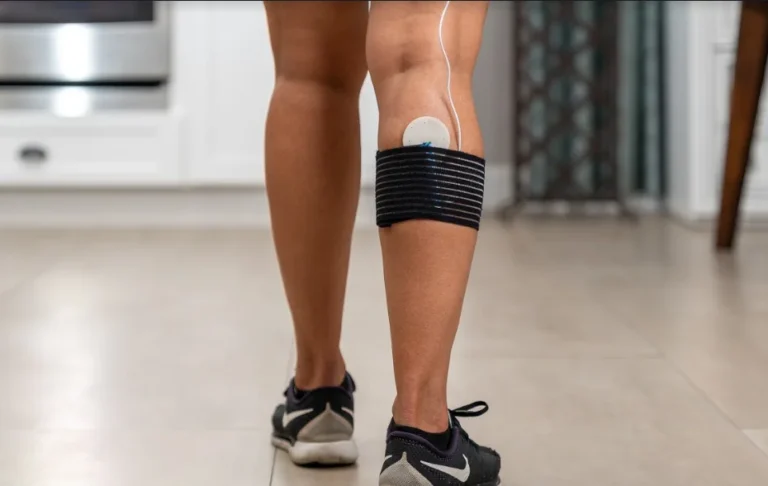
RTMS, or repetitive transcranial magnetic stimulation, is a high-intensity magnetic technique used in clinics. It requires visiting a doctor frequently, which can get expensive and time-consuming. PEMF devices use much lower intensities, and home devices are simple and can be used anytime, anywhere. It includes simply a small machine and a pad. Some PEMF machines come as a mat, similar to a yoga mat.
Safety Questions
When it comes to anything medical having to do with the brain, most patients will want to know about risks. Dr. Pawluk discusses the research on concussion and TBI on his website. PEMF isn’t right for everyone: read our contraindications and cautions and talk to your doctor before use, especially after a brain injury.
PEMF machines are easy to use, and have multiple intensities which can be manually chosen by the user, as guided by their doctor.
Many brain injury survivors claim that they felt abandoned by their doctors and hospitals after leaving, due to a gross lack of service. Some people may feel pills are being pushed on them to deal with symptoms like pain, depression, and anxiety, but little is actually being done to help them when they’re in need of further medical assistance. Neurorehabilitation services can be difficult to locate, and expensive, but it is a substantial and increasing need that is seldom met. If you are living with a brain injury and are curious about PEMF, talk it through with your care team first.