
Researchers have studied pulsed electromagnetic fields (PEMF) and related magnetic brain stimulation in relation to mood and mental health. PEMF is non-invasive and drug-free, but much of the research so far comes from high-intensity clinical devices rather than wearable ones.
Transcranial magnetic stimulation (TMS), a high-intensity form of magnetic stimulation given in clinics, is used for depression. Wearable PEMF devices such as FlexPulse are a different, much lower-intensity technology, and they are not a substitute for care from your doctor.
Depression and PEMF: What’s the Link?
One idea is that low cellular voltage in the brain plays a role in depression and other mental health issues, but this is a theory rather than an established cause.
What Does the Research Say About PEMF?
Recently, Scientific American published an article that discussed the effects of PEMFs on the brain.
Researchers have studied magnetic brain stimulation in people with depression1, epilepsy2,3, headache4, Parkinson’s disease5, Alzheimer’s6 and insomnia7. Many of these studies are done using rTMS or Repetitive Transcranial Magnetic Stimulation, which is basically high intensity pulsed electromagnetic fields applied directly to the brain in a clinic, so their results don’t carry over to low-intensity wearable devices.
Researchers have also looked at magnetic stimulation and cognitive decline in Alzheimer’s and Parkinson’s. This research is still early.
What Has Been Studied About PEMF and Mood?
One small study of transcranial magnetic stimulation in people with major depression also measured changes in mood and in thyroid stimulating hormone8.
Many people can readily agree that improved mood and sharper cognitive function completes the mental wellness package. Of course, you still have to take care of nutritional and exercise needs. With a better state of mind, however, motivation comes more easily.
Harvard Medical affirms that better sleep means better health, although that article does not discuss magnetic stimulation. Harvard also covers TMS for depression, a clinic-based form of magnetic stimulation.
A Life Sciences in Space journal study9 reports:
“.. a weak electric field, alternating with a frequency of 10 Hz, affects human circadian rhythms in the same manner as the total of the natural fields; i.e., it shortens the period, and it prevents real internal desynchronization.”
This tight frequency range hovering close to the Schumann resonance of 7.8 Hz is also considered as frequency of Om / Amen / Ameen and has been studied scientifically since at least 1970, when the above article came out. Remember, religion today was society earlier. The foremost focus of every society is survival, which simply isn’t possible without a productive and positive state of mind of the people.
Low frequencies are often matched to brainwave bands: around 10 Hz sits in the alpha band, linked with relaxed wakefulness, and around 3 Hz sits in the delta band, linked with deep sleep. Whether applying PEMF at these frequencies changes mood or sleep is still an open research question.
How Clinic rTMS and At-Home PEMF Differ
rTMS is used for more severe forms of depression and is given in a specialized facility. Research on lower intensity PEMFs and mood is more limited. One practical difference is that lower intensity PEMF devices can be used at home, without in-office visits, and they are drug free.
Small studies have also looked at PEMF and circulation and cellular respiration, with limited and mixed results.
PEMF isn’t suitable for everyone, so read the contraindications and cautions before use.
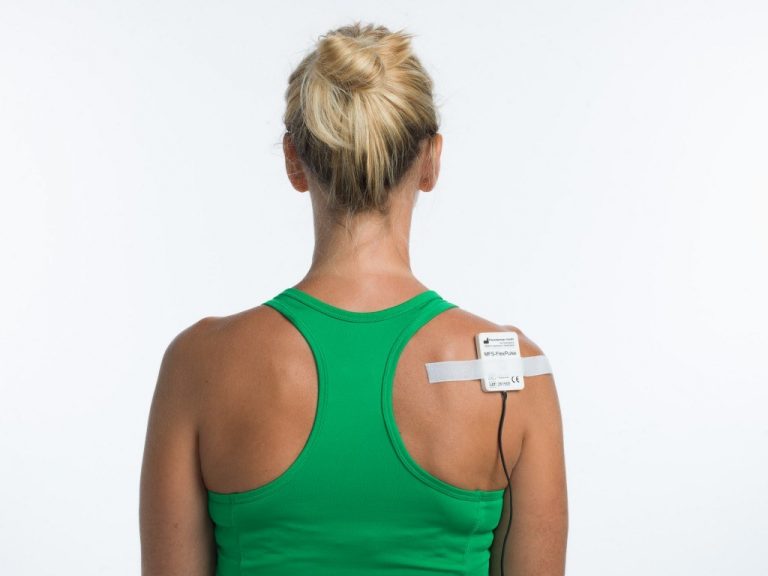
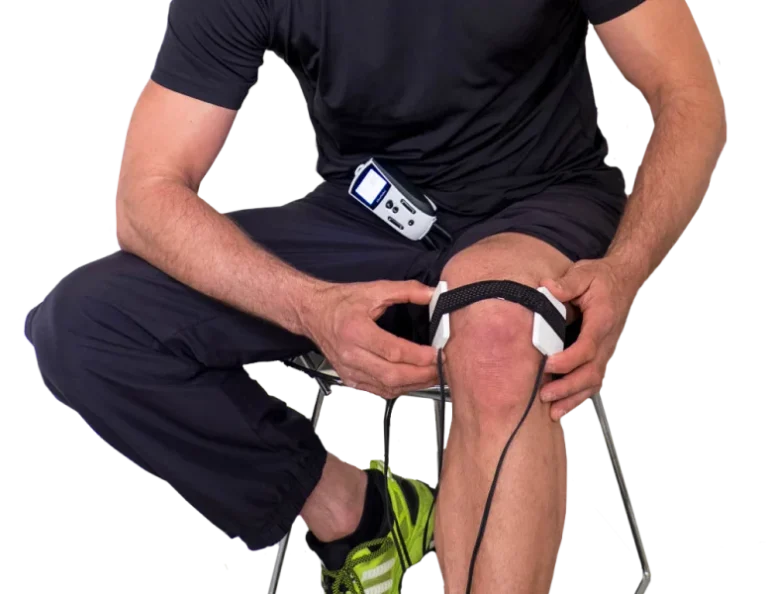
A wearable PEMF device is also easy to fit into your day, at home or on the go: you can use it while reading, eating, working or relaxing.
Final Thoughts About PEMF and Depression
Research on PEMF and mood is still developing, and much of it comes from clinic-based rTMS rather than wearable devices. If you are dealing with depression, talk with your doctor. To learn more about how FlexPulse works, see our PEMF therapy page.