Millions of people in the United States live with chronic pain conditions, including diabetic neuropathy. Electromagnetic Pulse Therapy, also known as pulsed electromagnetic field (PEMF) therapy, is non-invasive, and researchers have studied it in people with diabetic neuropathy. This article looks at what those studies found.
What is PEMF therapy?
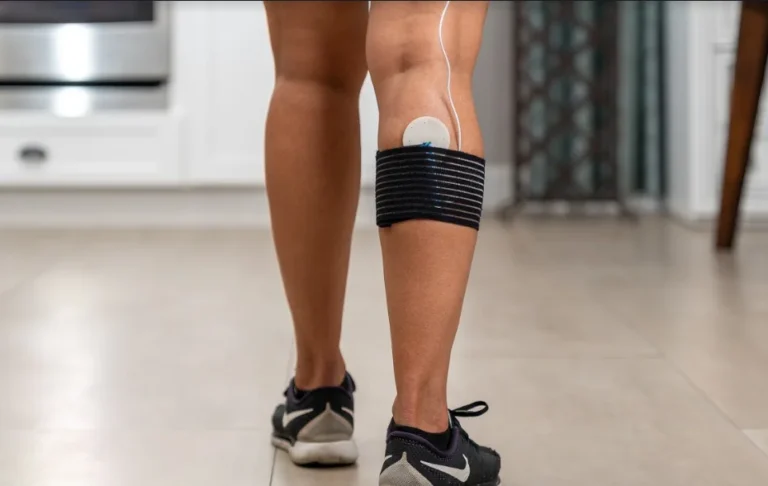
With PEMF therapy, pulsed electromagnetic fields are applied to an area of the body using coils. The frequency and intensity of these fields are low.
What is diabetic neuropathy?
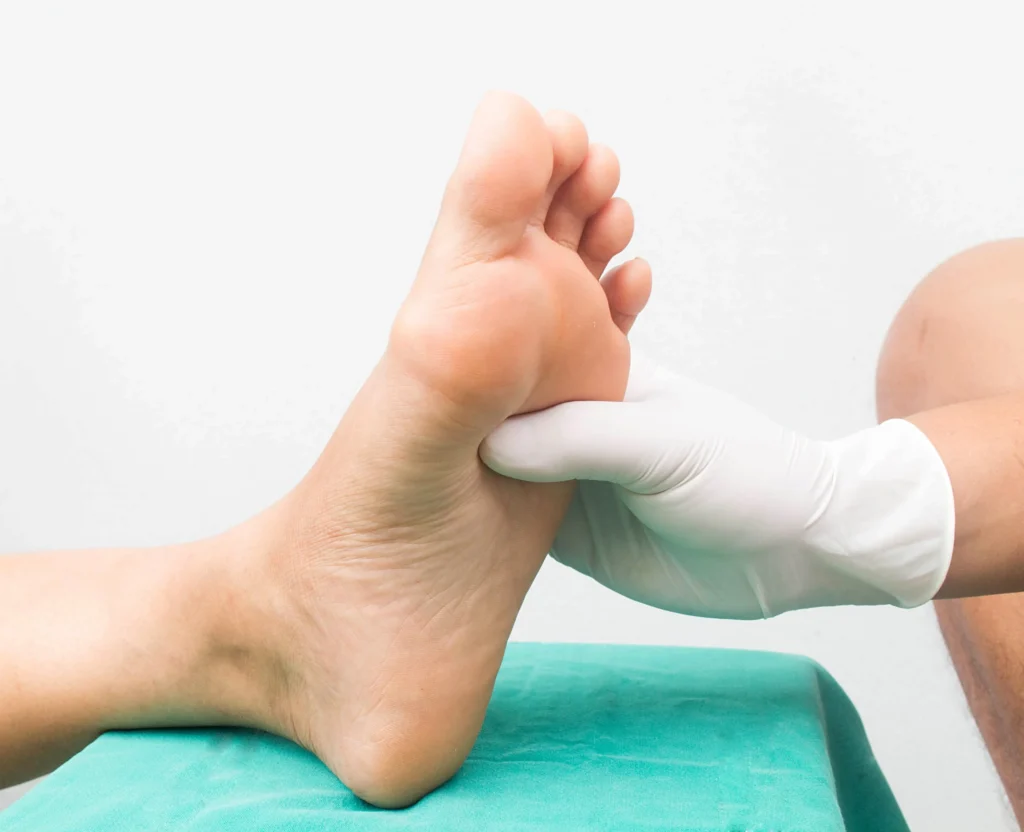
Diabetic neuropathy, which occurs in up to 50% of individuals with diabetes, is nerve damage caused by high blood sugar. Most often, this damage occurs in the legs and feet. Symptoms range from pain and numbness in the legs and feet to difficulties in the digestive system, urinary tract, blood vessels, and heart. For some, symptoms are mild. But for many, diabetic neuropathy causes intense pain leading to a diminished ability to function.
Why researchers have looked at PEMF and diabetic neuropathy
Your body needs a substantial supply of adenosine triphosphate (ATP) to have the energy it requires for normal functioning. ATP is produced by mitochondria in the cells. Some lab studies have looked at whether PEMF affects ATP production.
What studies have found
Research on PEMF in diabetic peripheral neuropathy has been mixed. One randomized trial of 61 patients found no advantage over a sham device for pain, quality of life or sleep.
A 2003 study of PEMF at 10 Hz reported positive results, especially in the early stages of diabetic polyneuropathy and in patients who had had diabetes mellitus for up to 10 years.4
A 2004 pilot study of 24 patients with refractory and sympathetic polyneuropathy reported short-term pain reduction in more than 50% of participants.5 An expansion of this study found that although there were no significant differences in neuropathic pain intensity on some pain scales, 44% of the PEMF group reported relief of symptoms on the Patient’s Global Impression of Change scale, vs. 31% of the sham group. Additionally, this study found that 29% of PEMF patients had an increase in distal leg epidermal nerve fiber density (ENFD) while none of the sham group had these results. Increases in distal thigh ENFD were significantly correlated with decreased pain scores.
Two small studies presented in 2014 reported improvements in pain and nerve function in diabetic neuropathy. In the first, 15 patients with significant diabetic neuropathy including pain and sensory loss received PEMF once a week for eight weeks. In this study, pain scores were reduced by 52%. Sensory loss improved by 65.8%, touch sensation improved by 65%, and vibratory sensation improved by 43%.
In the second study, an additional 15 patients received PEMF for 30 minutes to the feet and 15 minutes to the neck and chest. In this study, pain decreased by 46.5%, and pin sensation, touch, and vibration all improved significantly.
These were small studies, and results across the research are mixed, so larger, well-controlled trials are needed. None of these studies used FlexPulse.
About the FlexPulse device
If you have diabetic neuropathy, talk to your doctor before trying PEMF, and keep taking any prescribed medication.
The FlexPulse wearable PEMF machine has a peak intensity of 200 Gauss and can be used for long sessions.
The applicator pads are lightweight and easily applied to the body wherever you want to place them. The device is portable, so you can use it at home or on the go.
The FlexPulse comes with a 30-day satisfaction guarantee and a 2-year warranty on the controller.
Contact us for more information or to purchase a FlexPulse PEMF device.