PEMF therapy devices use pulsed electromagnetic fields to induce a small electrical charge in the body. There are many different machines available for PEMF therapy, and there are machines that are similar, but not quite the same. It can be quite confusing to sort out the differences between PEMF devices and other electrotherapy and electrical stimulation (e-stim) devices. Primarily, it is important to understand the difference between PEMFs vs. TENs. There are indeed similarities, but the way each is applied, how that impacts the way the therapy interacts with the body, and even the primary purpose of each type of machine is quite different.
PEMF devices use pulsed electromagnetic fields, while TENS units use electric currents. Electrical currents stimulate nerve activity under the electrodes, while pulsed magnetic fields pass through clothing and tissue, with no electrodes on the skin.
TENS units are meant to help patients deal with pain. The primary mechanism through which they do this is a distraction technique called the “gate control theory.” The stimulation signals produced by the TENS unit confuses the brain, competing with the signals the pain source is sending out. It’s like if you have a headache, but you drop something heavy on your big toe. You’ll forget about the headache for a while, while the pain from the toe overpowers the pain from the headache. The problem with this distraction technique is that the benefits are usually quite brief. When the distracting signal is no longer present, the pain signal can take over again.
TENS units are built for one job: short-term pain relief. PEMF, by contrast, has been studied in a much wider range of areas, including bone fractures, wounds and mood, although results vary and much of that research is early.
A closer look at applications and mechanisms of PEMF therapy and TENS
The mechanisms that each type of therapy uses are complex, but in a nutshell, TENS stimulates nerves and activates the opioid system to change perception of pain, while PEMFs use pulsed magnetic fields that induce small electrical currents in tissue.
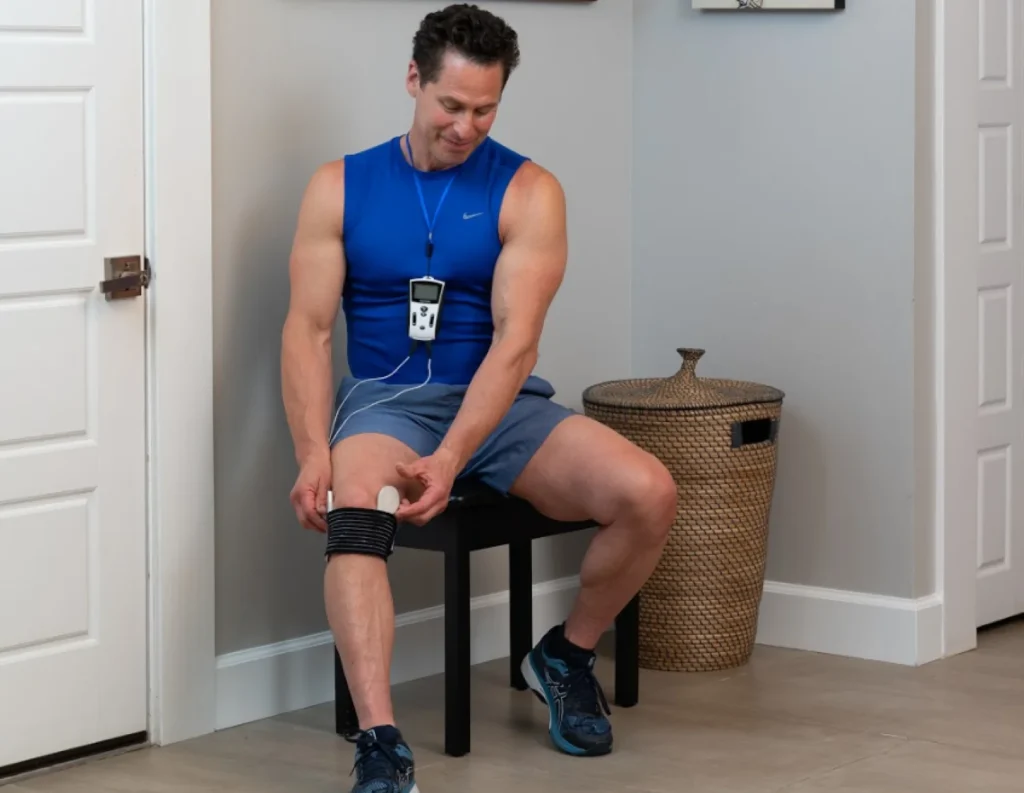
Now let’s look at the convenience factor. TENS units require direct contact with the skin, making them more difficult to use. PEMF devices, on the other hand, can be used over light clothing which means you can use them in more settings. For example, you could apply PEMF therapy at work in your cubicle, and even while driving. That could be awkward with a TENS unit, depending on where you needed the applicator to be placed!
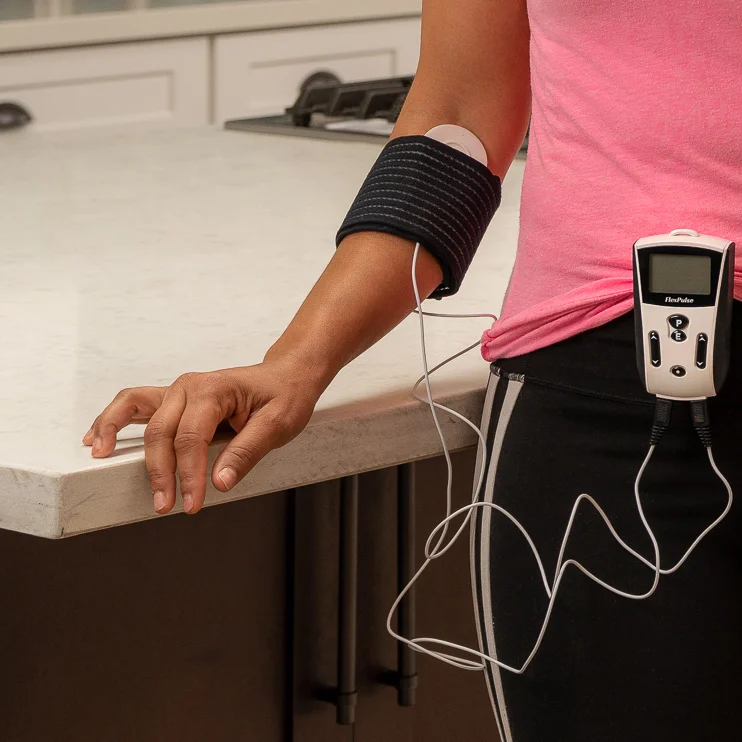
With TENS units, the electrodes must be placed in specific locations, and moved from one spot to another on the body. This is time consuming and labor intensive. PEMF devices come in a range of unique delivery options – chair pads, total body pads, smaller rings and paddles. Many, like the FlexPulse™, are highly portable and easy to take with you when you’re on the go. With all of these options, PEMF devices can target more of the body at the same time than a TENS unit can.
PEMF safety factors
TENS and PEMF devices also come with different usage rules.
Animal research has revealed that eletrical stimulation above 20 Hz can have negative side effects. Because TENS units are often set to greater than 50 Hz, use must be short term, and only for 30 to 60 minutes per day.
PEMF devices work differently. Portable ones like the FlexPulse run for up to 12 hours on a charge and can be worn during your day without disrupting your routine.
PEMF isn’t right for everyone, though, so read the contraindications and cautions before you start.
Is PEMF therapy a better investment than TENS?
PEMF therapy and TENS therapy share some similarities, but the differences demonstrate why PEMF therapy may be a better investment in the long term.
PEMF devices are more convenient, don’t require direct skin contact, and can be used more often.
Versatility is a top factor in making PEMF devices a better investment than TENS units. A TENS unit, which is built only for pain, may sit unused far more often than it’s being used. A PEMF device fits into everyday routines, from post-workout sessions to winding down in the evening, so it will likely be used a lot more often. And one unit can be shared in your household – so the return on investment is increased even further!
The FlexPulse™ PEMF device is an affordable, convenient, powerful tool for everyday PEMF therapy. The ultra-light controller and PEMF pads make this device easy to carry, wear and use – anywhere! The FlexPulse™ PEMF machine has 12 hours of continuous battery operation and offers intensities up to 200 Gauss. The affordable price and all-day portability make the FlexPulse™ a smart investment.