
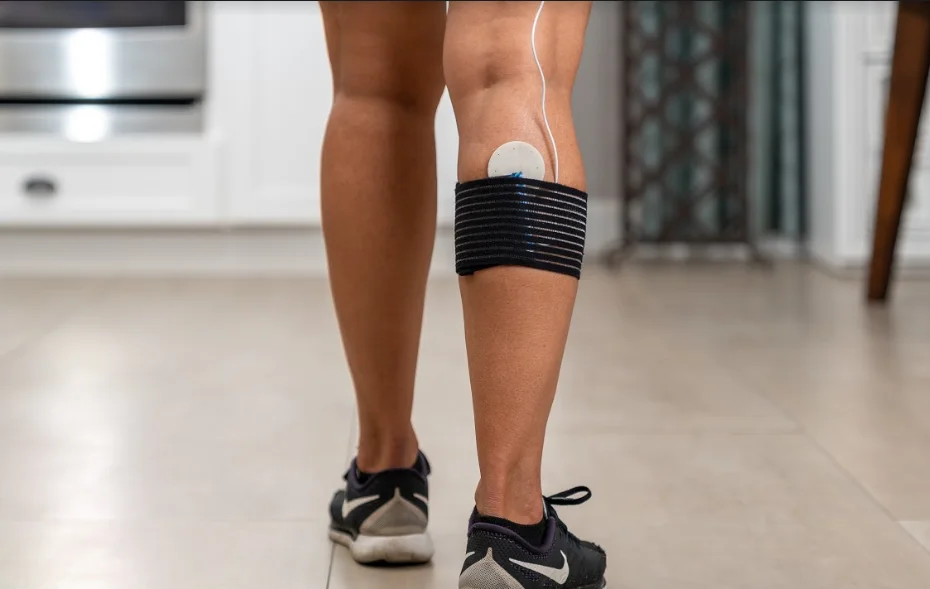
Pulsed electromagnetic field (PEMF) therapy is a non-invasive technology that has been around for decades and has recently grown in popularity. Like anything you use on your body, it can have side effects, and it isn’t right for everyone.
Many people use PEMF alongside yoga, meditation and exercise. As with any therapy, however, it’s important to learn about the limitations and side effects that may be relative to PEMF therapy.
How Serious Are PEMF Side Effects?
Since electromagnetic therapies produce a wide array of interactions within the body, some discomfort is not uncommon in the first sessions. These reactions are reported about 5% of the time, mostly when someone has just started using PEMF. In addition, mild adverse reactions typically occur with whole-body systems and not with local applicators such as coil pads.
Most of these side effects are mild and temporary. Moreover, these reactions are more common and uncomfortable for those with electromagnetic hypersensitivity. If a reaction doesn’t pass, stop using the device and talk to your doctor.
Because magnetic therapies can alter body systems and stimulate cells and tissues, overreactions by the body do sometimes occur. Whether measurable or perceived, such responses can be due to induced relaxation, stimulation of nerve cells and changes in heart rate and blood pressure.
Side Effects of PEMF Therapy
Some people notice mild side effects when they first start using PEMF.
Reported side effects include headaches, nausea, muscle aches and fatigue. More often than not, these effects are temporary and will go away simply by taking a break from PEMF. Some people also like to drink plenty of water before and after a session.
Are There Limitations to PEMF Therapy?
Experiences vary from person to person, depending on the user’s lifestyle, health condition and nutrient/medication/supplement intake. If you take medication, check with your doctor before you start.
For example, uncomfortable reactions may occur with PEMF therapy if you are not meeting your body’s requirement for essential nutrients. These sensations can include agitation, weakness, fatigue, dizziness and increased urination. Consulting a nutritionist if you experience these reactions may be helpful.
Those with pre-existing heart conditions should proceed with caution regarding PEMF therapy. Depending on the type of condition and its severity, for example, those with heart rhythm disturbances or with pacemakers/defibrillators it may be wise to avoid PEMF therapy altogether. In addition, expectant mothers should avoid electromagnetic therapy.
Finally, using more than one PEMF device simultaneously can be counterproductive. This will make it hard to determine which device is having what effect. If you can afford to buy multiple devices to compare them, make sure to space them out by a few weeks or months.
PEMF devices are easy to use at home or on the go. Before you start, read the contraindications and cautions, and if you have a health condition, talk to your doctor first.