
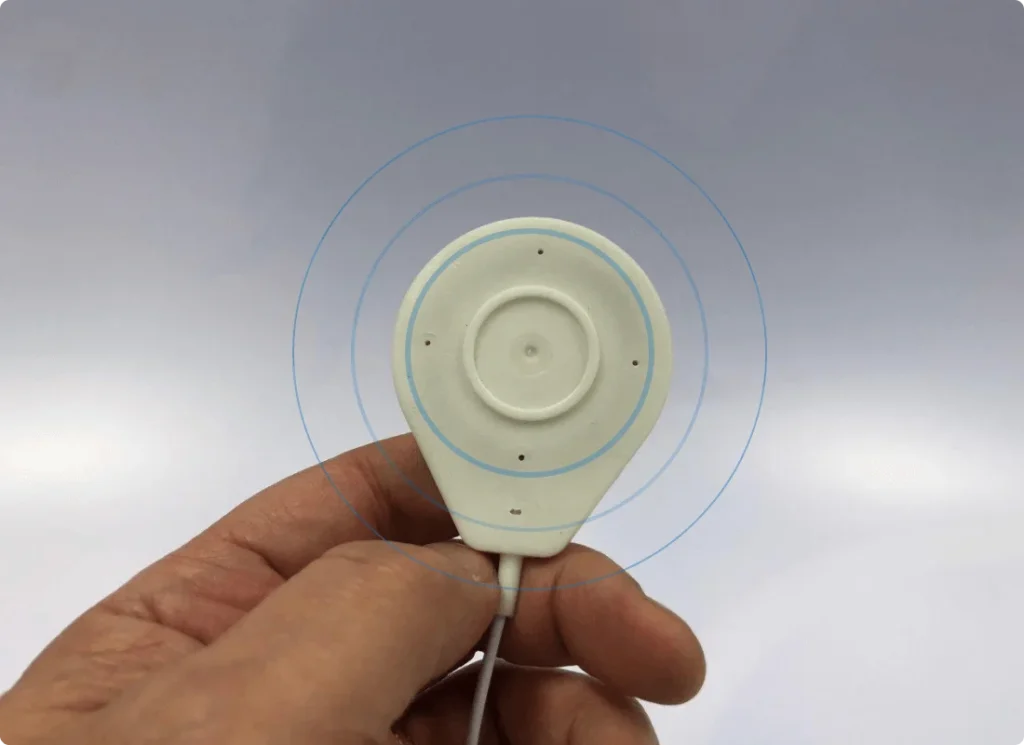
There is a large amount of information on Pulsed Electro Magnetic Field (PEMF) therapy and devices online. But sifting through it all to know what is truth or fiction can be difficult. More so when you are in the market for a system and content proves confusing.
When considering what source to rely on for reliable information, you need to be careful. Focus on those that cite independent scientific research and trials. Let’s look at some of the common misconceptions concerning PEMF technology and what you should know.
There Is No Research on PEMF
PEMF has been studied in many clinical trials. Researchers have looked at pain in knee and hand osteoarthritis (OA) [1], pain and swelling after surgery [2], bone fractures with delayed union [3], and lower back pain [4]. Results vary by condition, device and study, and many trials are small, so the evidence is still developing.
Specific Frequencies and Waveforms Work On Specific Conditions
Various frequencies have been tested in research on different conditions. However, research hasn’t matched any one frequency to any one health condition, and studies have used a wide range of frequencies.
When it comes to waveforms, you should be more concerned about charge. Consider the amount of charge it can produce in the body and the corresponding voltage needed. you may find some waveforms produce higher amounts of charge but this effect is unlikely to be unique.
Limit Sessions to 8 Minutes
Many PEMF system manufacturers suggest an 8-minute limit. However, many studies have been conducted with much longer sessions. Even these studies will likely have limited their sessions due to issues of practicality.
Some PEMF systems can be used for as much as 12 hours a day, including overnight (see our article on PEMF and sleep [5]). Individuals can find the session length that suits them within their device’s instructions, or by consulting a PEMF physician.
Only Use A PMEF System Recommended by Your Doctor
Many medical practitioners aren’t familiar with how PEMF therapies work. Some are opposed to alternative therapies and will dismiss PMEF use. Others will be open to helping their patients give it a try and study its efficacy.
Where possible, the advice and guidance of a PEMF physician is the best option. If not available, you can consider investing in an affordable PEMF device to try it for yourself. Note that lower-cost options tend to come with lower intensities. Either way, read our contraindications and cautions first, and check with your doctor if any of them apply to you.
Only One Brand Works
Some brands may market themselves as being the best option for specific conditions. But PEMF devices work in much the same way: they deliver pulsed magnetic fields to wherever the applicator is placed. A local applicator focuses on one area, while a whole-body mat covers more of the body (see our article on PEMF and circulation [6]).
What matters most is choosing a device whose intensity, programs and portability suit how you plan to use it.
FDA Approval Is a Must
FDA approval is difficult to come by. There is expensive research needed to qualify. If PEMF manufacturers went this route, they would have to drastically mark up their product to make back this investment, which would put it out of reach for many buyers.
FDA approval is also specific: it covers only the particular medical uses a manufacturer has proven in research. FlexPulse products have not been evaluated by the FDA. These products do not claim to diagnose, treat, cure, or prevent any medical condition.
References
- Wu Z, Ding X, Lei G, et al Efficacy and safety of the pulsed electromagnetic field in osteoarthritis: a meta-analysis BMJ Open 2018;8:doi: 10.1136/bmjopen-2018-022879
- Berish Strauch, MD, Charles Herman, MD, Richard Dabb, MD, Louis J. Ignarro, PhD, Arthur A. Pilla, PhD, Evidence-Based Use of Pulsed Electromagnetic Field Therapy in Clinical Plastic Surgery, Aesthetic Surgery Journal, Volume 29, Issue 2, March 2009, Pages 135–143, https://doi.org/10.1016/j.asj.2009.02.001
- Shi, Hong-fei et al. “Early application of pulsed electromagnetic field in the treatment of postoperative delayed union of long-bone fractures: a prospective randomized controlled study.” BMC musculoskeletal disorders 14 35. 19 Jan. 2013, doi:10.1186/1471-2474-14-35
- Andrade, Renato et al. “Pulsed electromagnetic field therapy effectiveness in low back pain: A systematic review of randomized controlled trials.” Porto biomedical journal 1,5 (2016): 156-163. doi:10.1016/j.pbj.2016.09.001
- https://flexpulse.com/pemf-therapy-sleep-benefits/;
- https://flexpulse.com/how-does-pemf-therapy-increase-blood-flow-and-improve-circulation/